

There’s a whole underwater world waiting to be discovered… are you ready?
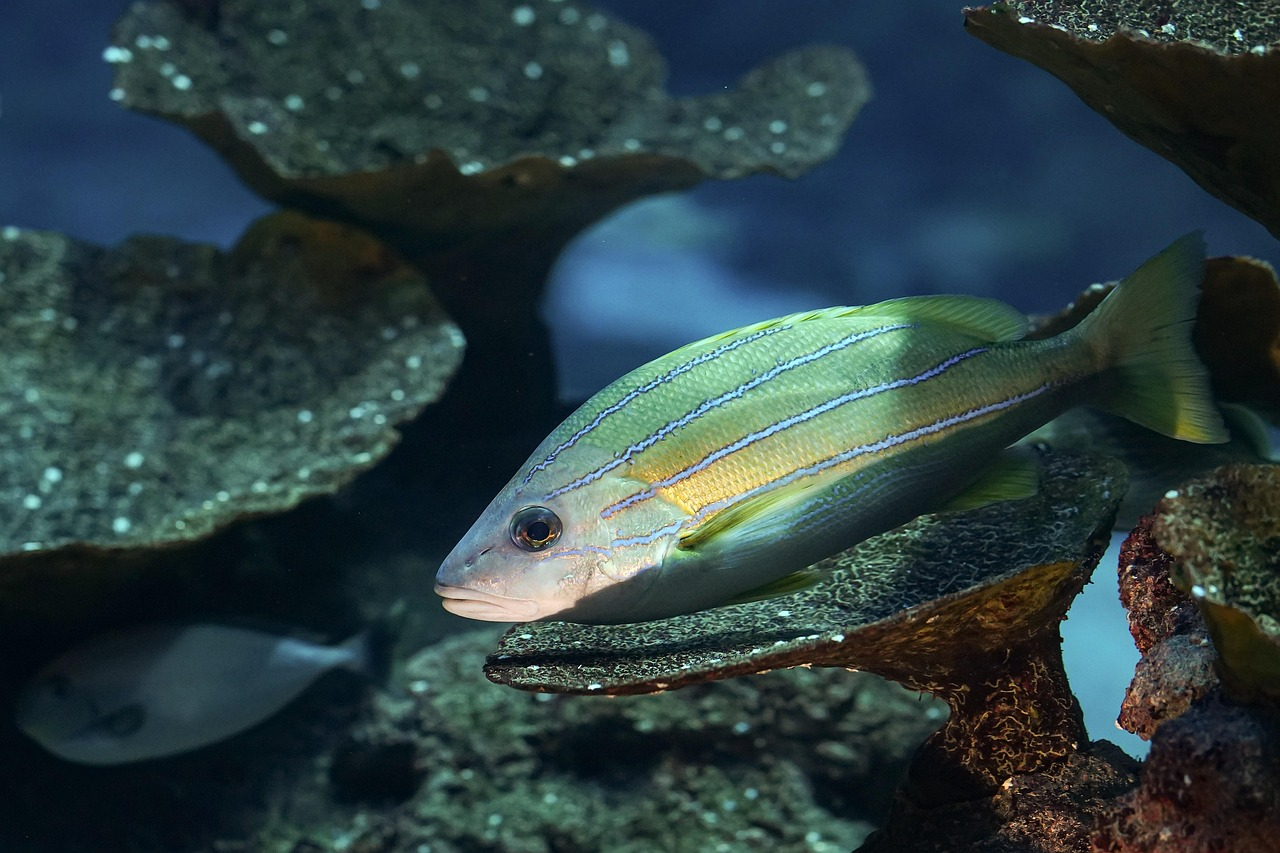
Agent of kindness, your ocean mission awaits! Dive into the deep blue, meet amazing sea animals, and uncover their coolest secrets.
Can you complete every part of your mission by finding the answers to the 5 questions below?
- What is the name of the fish that creates sand art? 🐟
- Which ocean animal has three hearts? ❤️
- What surprising thing does whale poop help with? 🌊
- What do hermit crabs do when they outgrow their shells? 🐚
- Can you spot at least one way YOU can help animals? 👀
Mission Tip: Keep your eyes peeled as you read—you’ll spot the answers along the way!
Beneath the ocean surface is a whole world full of animals playing, exploring, and communicating in amazing ways. Let’s dive in and meet a few of them. 🐠🐙🐋🐚
🐠 Fish
- Fish are smart, social animals who can recognize each other and remember their friends.
- Many fish use tools, build nests, and even team up with other sea animals to find food.
- They communicate with sounds, movements, and signals—and they can even learn by watching each other.
- Each fish has their own personality. Some are curious, some are shy, and some are bold and adventurous.
- Fish show affection by gently rubbing against each other.
- Some fish, like pufferfish, make beautiful patterns in the sand that look like underwater art.
- Fish feel pain and want to feel safe in their ocean home.
Your Mission: You can help fish by leaving them off your plate! When you choose not to eat fish, you help them stay safe in their ocean home, where they can swim, explore, and be with their families.
🐙 Octopuses
- Octopuses are super smart, curious animals who love exploring their ocean home.
- They have three hearts, which makes them one-of-a-kind!
- They can solve problems and figure things out with their amazing brains and flexible arms.
- Some octopuses even use tools, like gathering shells to make safe hiding spots.
- They can change color and texture in a flash to blend in, hide, or communicate.
- The giant Pacific octopus is the biggest octopus in the world and can stretch their arms as wide as a car is long!
- Octopuses need the ocean to explore, learn, and check out new things.
Your Mission: One big way to help octopuses is to avoid shady aquariums and marine parks, like SeaQuest, that keep them in cramped touch tanks. Octopuses belong in the ocean, where they can explore, solve problems, and live freely.
🐋 Whales
- Whales are the biggest animals on Earth—and they even help keep the planet healthy.
- Many whales travel thousands of miles across the ocean each year.
- Some whales have special calls that their family understands, which helps them stay close.
- Whale poop helps tiny ocean living beings called phytoplankton grow—and they help keep our air clean.
- Some whales, like blue whales, have a heart that’s about the size of a small car.
- Sperm whales communicate with each other using sounds that are very similar to human language.
- Whales stay close to their families, learn from each other, and look out for one another.
- Fishing nets and pollution are dangerous for whales and their ocean homes.
Your Mission: Whales need safe oceans, and fishing nets used to catch fish can put them in danger, so one powerful way to help is to leave fish and other animals off your plate.
🐚 Hermit Crabs
- Hermit crabs might be small, but they’re busy, curious explorers who are always searching for new shells and places to check out.
- When they outgrow a shell, they sometimes line up and swap shells one after another—kind of like a shell trade with crab friends.
- Hermit crabs are super social and can live in groups of hundreds, climbing and exploring together.
- Some hermit crabs are “left-handed” or “right-handed,” with one claw bigger than the other.
- They’re part of the ocean cleanup crew, helping keep their home healthy.
- Some hermit crabs, like coconut crabs, grow so big they don’t use shells anymore—and can even crack open coconuts.
- Hermit crabs count on their shells and their groups to help them stay safe as they grow and explore.
Your Mission: If you spot a hermit crab at the beach, the best way to help is to leave them right where they are and never buy one from a store. Hermit crabs should stay in their ocean homes, not be taken and sold or kept as “pets.” The ocean is where they can safely explore, grow, and stay with their families.
✅ Well Done, Animal Agent! You uncovered amazing ocean secrets—and learned how kind choices help protect animals every day!
Ready for your next adventure? 💙
Every mission you take helps animals stay safe, free, and happy in their natural homes!
Under 13? Ask your parents bee-fore you continue!