

Celebrating a Vegan Kwanzaa: A Guide for Your Family
Having a vegan Kwanzaa feast is a very fitting way for your family to take part in the beautiful celebration of Black culture and African traditions. Kwanzaa means “first fruits of the harvest” in Swahili and is rooted in traditional African harvest festivals, when lots of fruits and vegetables are in season. So celebrating by eating fruits and veggies just makes sense! You and your little ones can enjoy the wholesome tastes of fresh produce to the fullest by keeping animals off your plates.
Wondering how to celebrate a vegan Kwanzaa? Here are some tips:
Recipes for a Vegan Kwanzaa Feast
Traditional Kwanzaa meals are inspired by the cuisines of Africa, the Caribbean, South America, the American South, and other African diaspora communities. Harvest foods like sweet potatoes, peanuts, okra, black-eyed peas, greens, corn, and any other crops in season take center stage. These are our favorite yummy recipes to let them shine:
Vegan Pumpkin Soup (Slow Cooker)
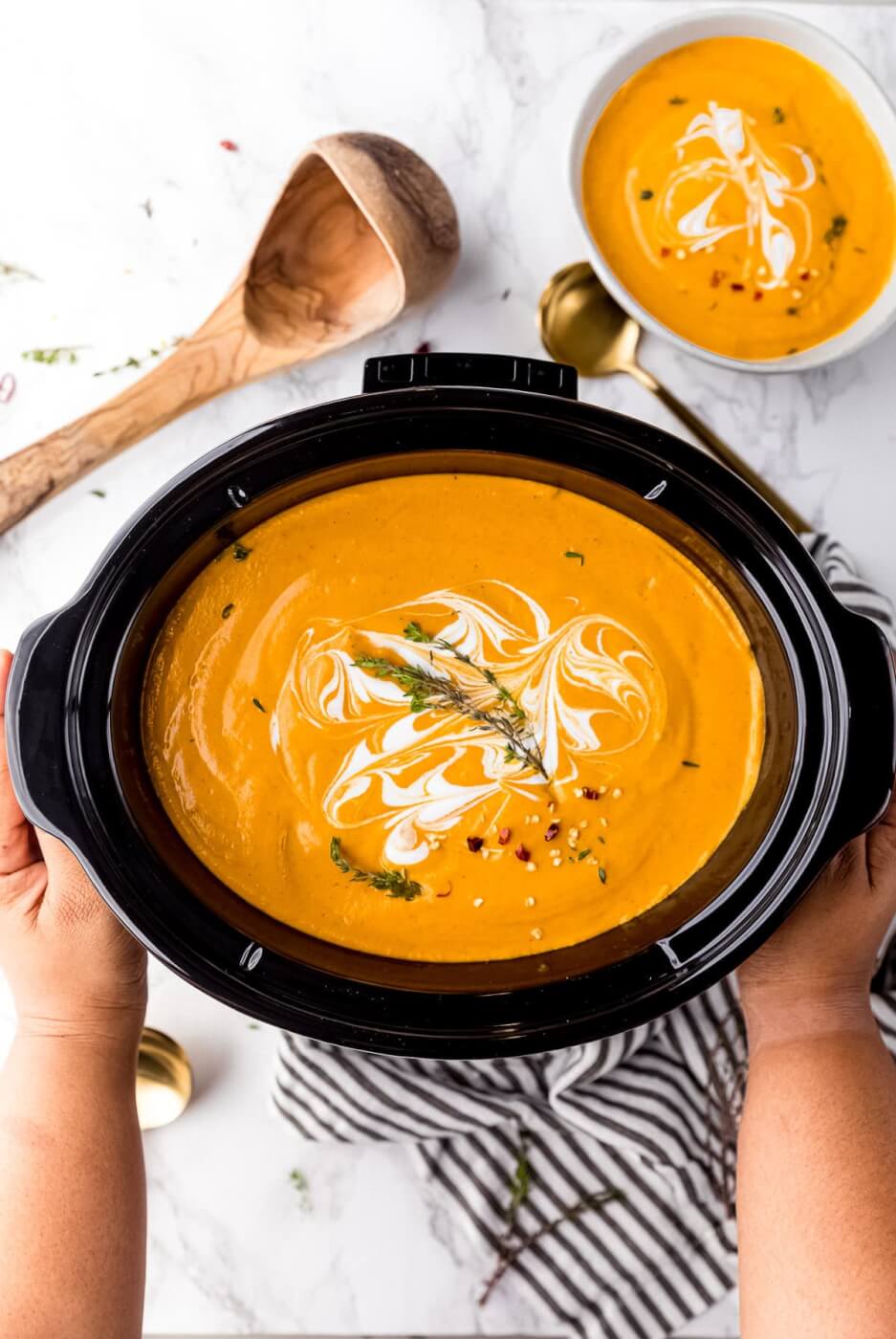 jessicainthekitchen.com
Whole Roasted Cabbage ‘Turkey’
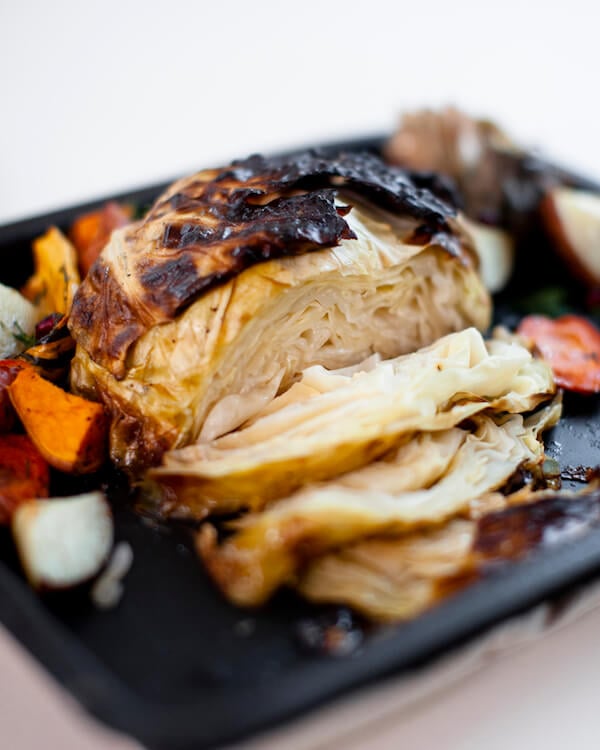 sweetpotatosoul.com
Vegan Mac and Cheese
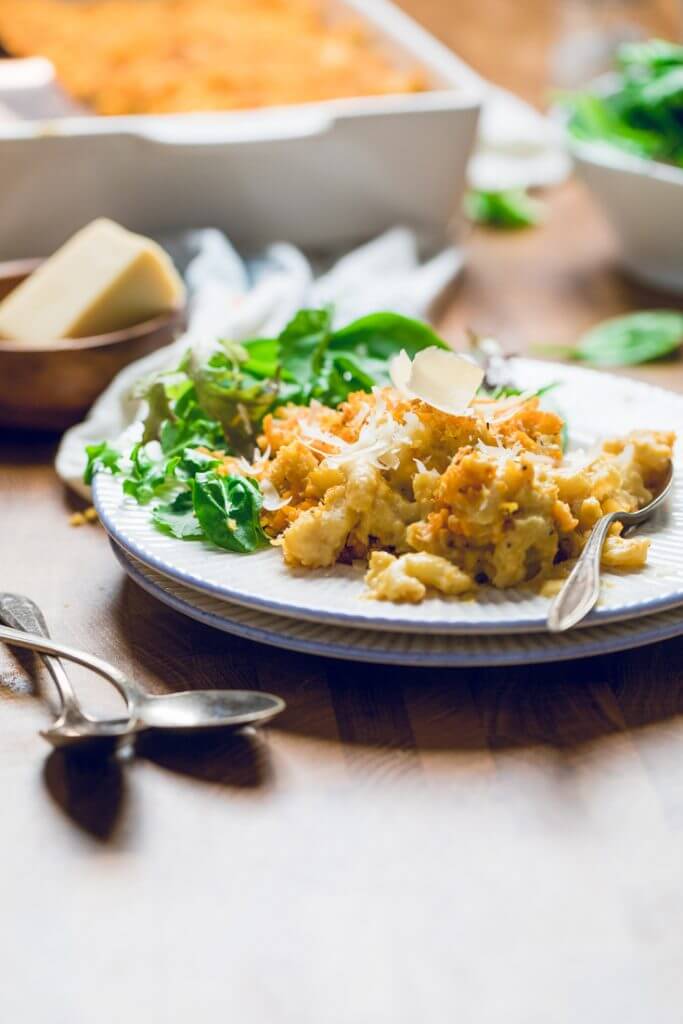 makeitdairyfree.com
Jamaican Inspired Jerk Lentils
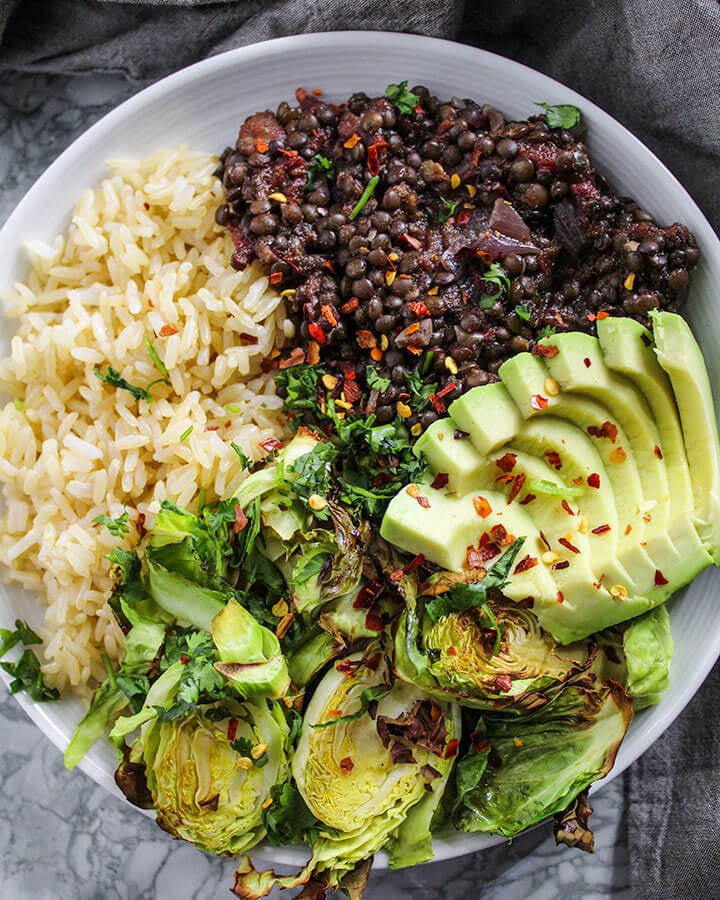 plantbasedrdblog.com
Ethiopian Cabbage, Potato, and Carrots (Atakilt Wat)
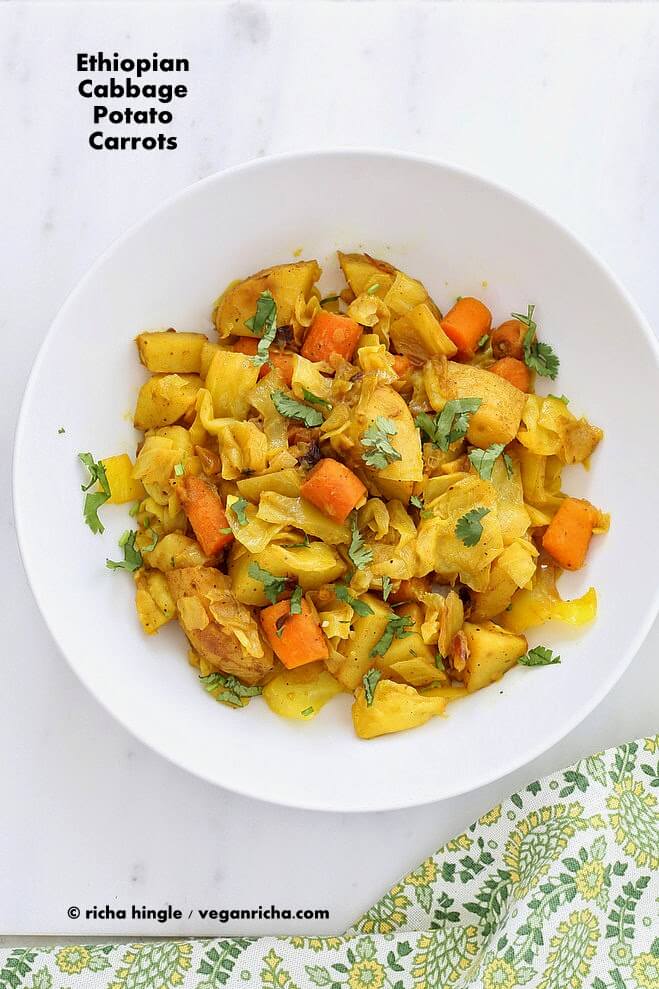 veganricha.com
Sweet Potato Pie
Tabitha Brown’s Okra Salad
@iamtabithabrownRaw healthy and delicious meal= okra salad! ##vegan ##tabithabrown♬ original sound – Tabitha Brown
Black Eyed Pea Gumbo
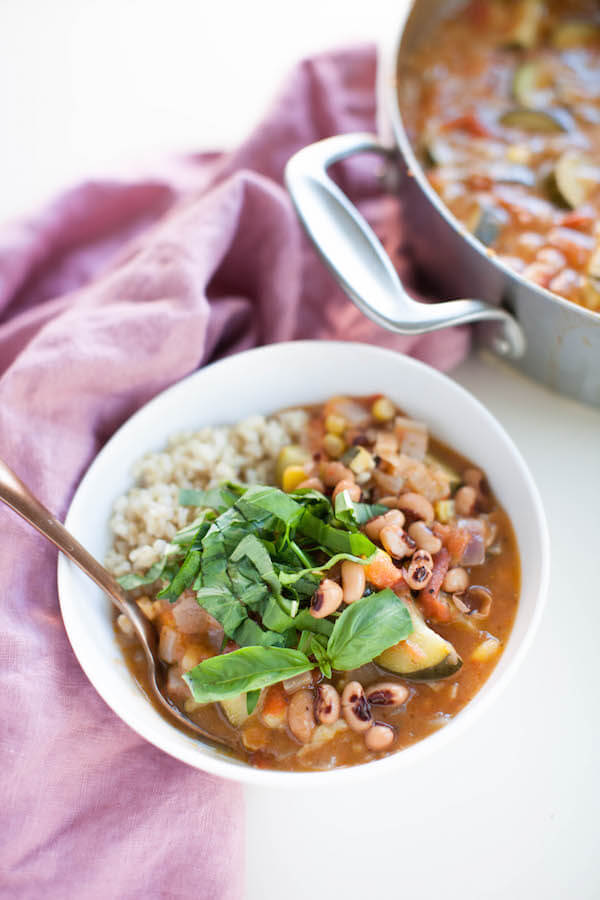 sweetpotatosoul.com
Red Beans and Rice
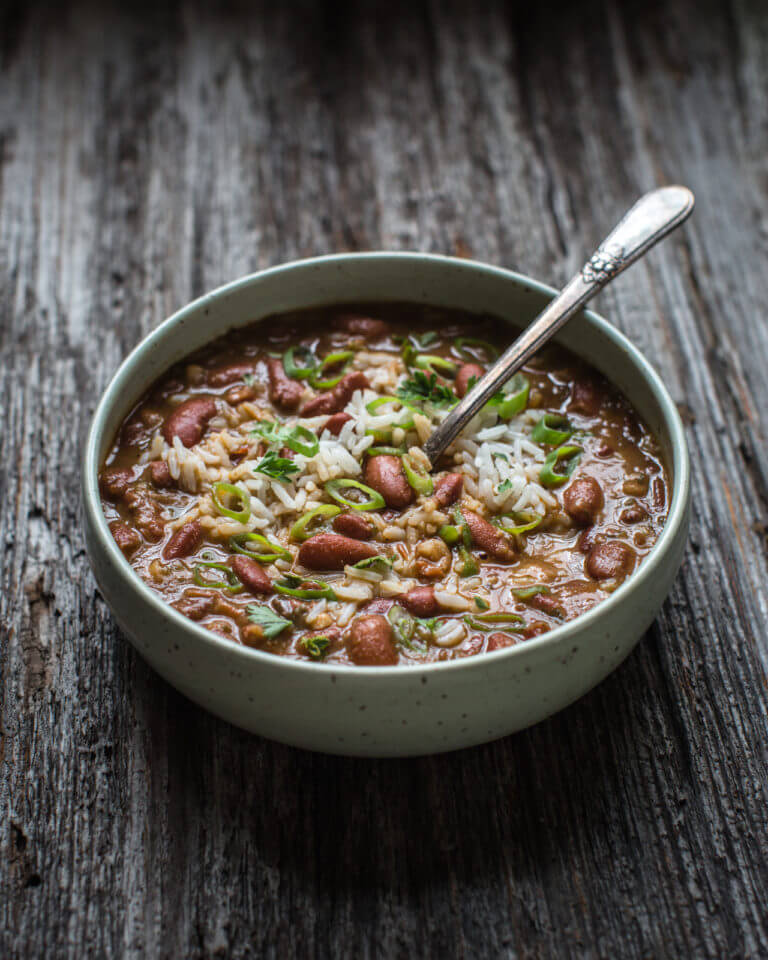 mississippivegan.com
Savory Mixed Greens and ‘Bacon’
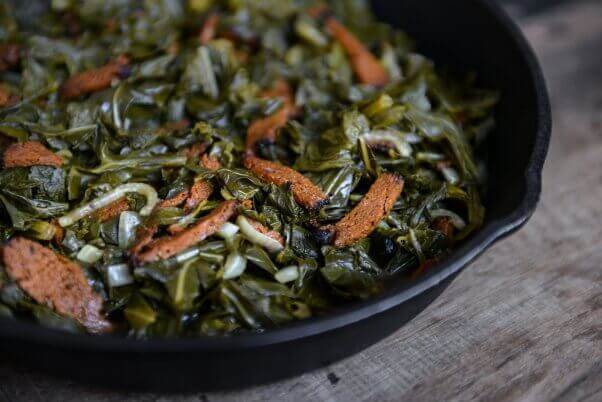
Turnip Vegan’s Pecan Pie
@turnipveganVegan pecan pie with oat milk pecan ice cream! ##SmallBusiness ##holiday ##pecanpie ##pecan ##holidaytiktok ♬ A Lofi Hip Hop Christmas – Kid Yoda
Create a Vegan Kwanzaa Display
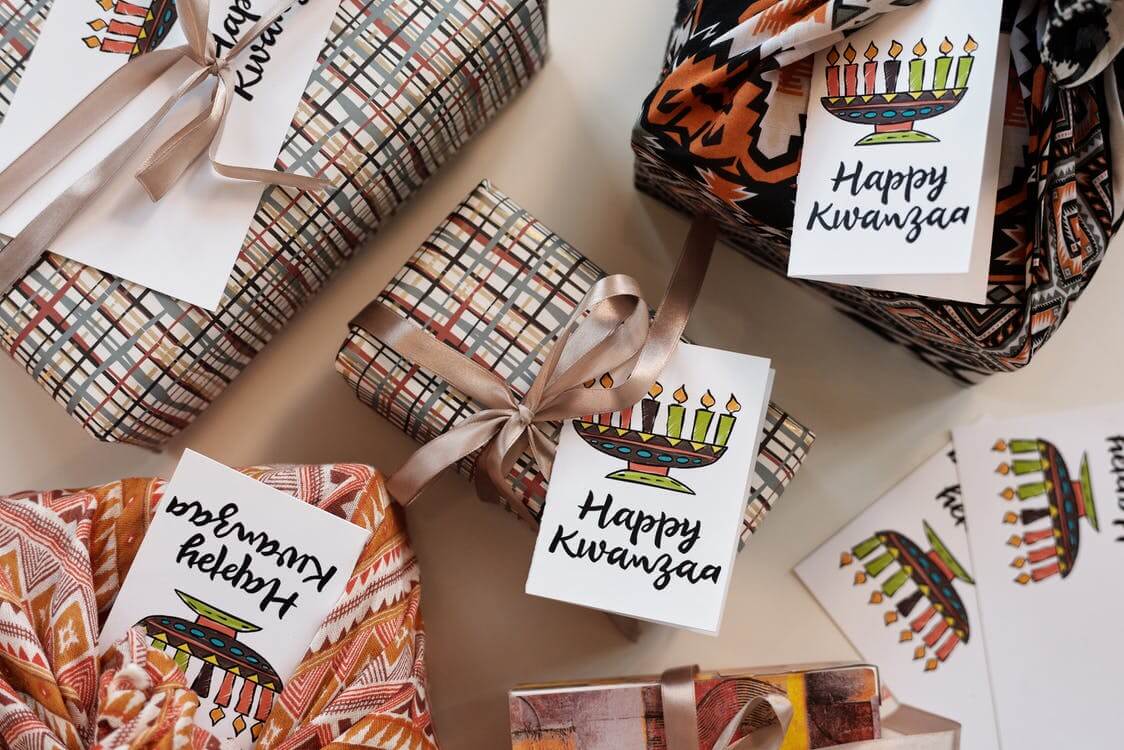
Talk to your kids about the importance of keeping animals in mind when building your Kwanzaa display. For example, your mkeka mat can be made of animal-free materials like cotton, straw, paper, linen, or polyester instead of wool. For your kinara, choose candles made of soy wax instead of beeswax or LED candlesticks that you can reuse each year. It’s also traditional to decorate with ears of corn and other festive harvest crops like squash, yams, nuts, pomegranates, and fresh flowers.
The Seven Principles of Kwanzaa
Each of Kwanzaa’s seven days corresponds to a different principle of African heritage. When reflecting on each principle, talk to your kids about ways it can be applied to animal rights. For example, if you’re celebrating the principle of ujamaa (cooperative economics), you can support Black-owned vegan brands and restaurants. Or practice ujima (collective work and responsibility) by standing up for animals, just like these Black vegan activists.
*****
These iconic Black vegans and vegetarians set a great example. By pledging to go vegan in the new year, each person in your family can save the lives of nearly 200 animals a year. Going vegan is a revolutionary act!


Under 13? Ask your parents bee-fore you continue!