
Raising a Vegan Baby: Essential Tips for Parents
Raising a vegan baby is one of the most rewarding journeys a parent can embark on. Not only are you helping your little one grow up strong and healthy, but you’re also nurturing a sense of kindness toward animals and the planet from the very beginning.
 Ashley Renne
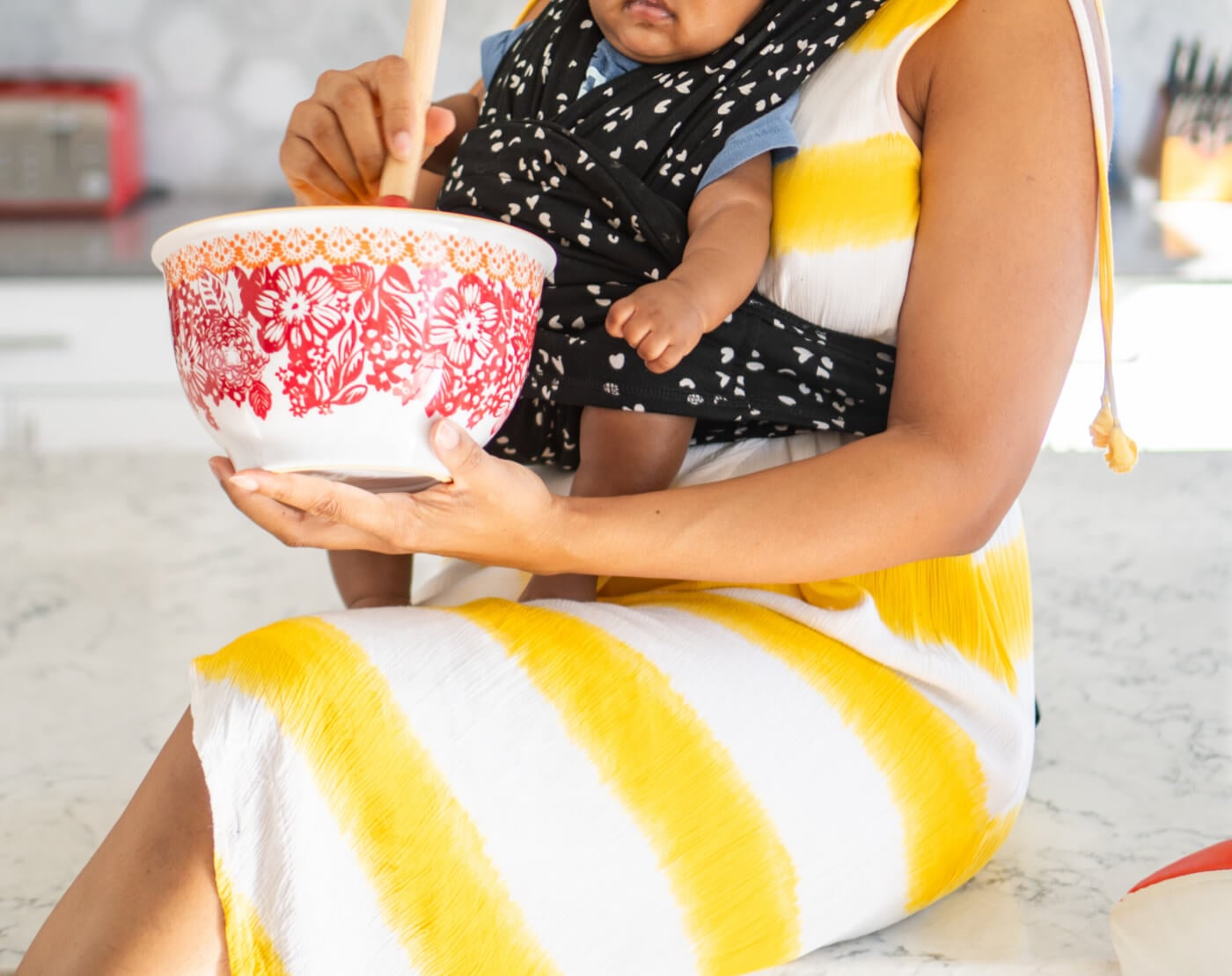
After sharing my story on having a vegan pregnancy with PETA Kids, I was so thrilled to hear how many families wanted more tips on raising a vegan baby, so today, I’m diving even deeper into how we approach it in our home.
Nourishing Your Baby on a Vegan Diet
Choosing a vegan lifestyle for your baby starts with ensuring they receive all the nutrients they need during those critical early months and years. Plant-based babies can thrive beautifully with a few mindful choices.
 Ashley Renne
Here’s what we focus on beyond breastmilk/formula:
- First Foods: When introducing solids, we prioritized whole, nutrient-dense foods like avocado, sweet potatoes, lentils, peas, bananas, and oatmeal. Iron and protein are key nutrients during this stage, so we focused on whole plant sources like cooked lentils, beans, tofu, and iron-rich leafy greens blended into baby-safe textures.
- Finger Foods: Soft roasted veggies, ripe fruits cut into easy-to-hold strips, and small pieces of soft tofu are perfect first finger foods for little hands.
- Nutrient Spotlight: In addition to iron and protein, key nutrients for vegan babies include vitamin B12, calcium, choline, iodine, zinc, vitamin A, vitamin D, and healthy fats like omega-3s. While B12-fortified foods can help, a B12 supplement is the most reliable source. Vitamin D is also important for all infants—breastfed and partially breastfed babies, as well as formula-fed babies consuming less than 32 ounces daily, need 400 IU of vitamin D supplementation starting soon after birth (see guidelines). Always consult your pediatrician to ensure your baby’s nutrient needs are fully met.
Navigating your baby’s nutritional needs can feel overwhelming at times—and that’s what inspired me to write The Vegan Baby Cookbook and Guide. It’s a go-to resource filled with simple recipes, essential nutrient guidelines, and real answers to common questions about raising vegan babies and toddlers. It was written to empower families to embrace a lifestyle rooted in compassion for animals, care for the planet, and a commitment to lifelong health. More than just a cookbook, it’s a supportive guide to raising compassionate, healthy kids from the very first bite.
 Ashley Renne
Baby-Led Weaning the Vegan Way
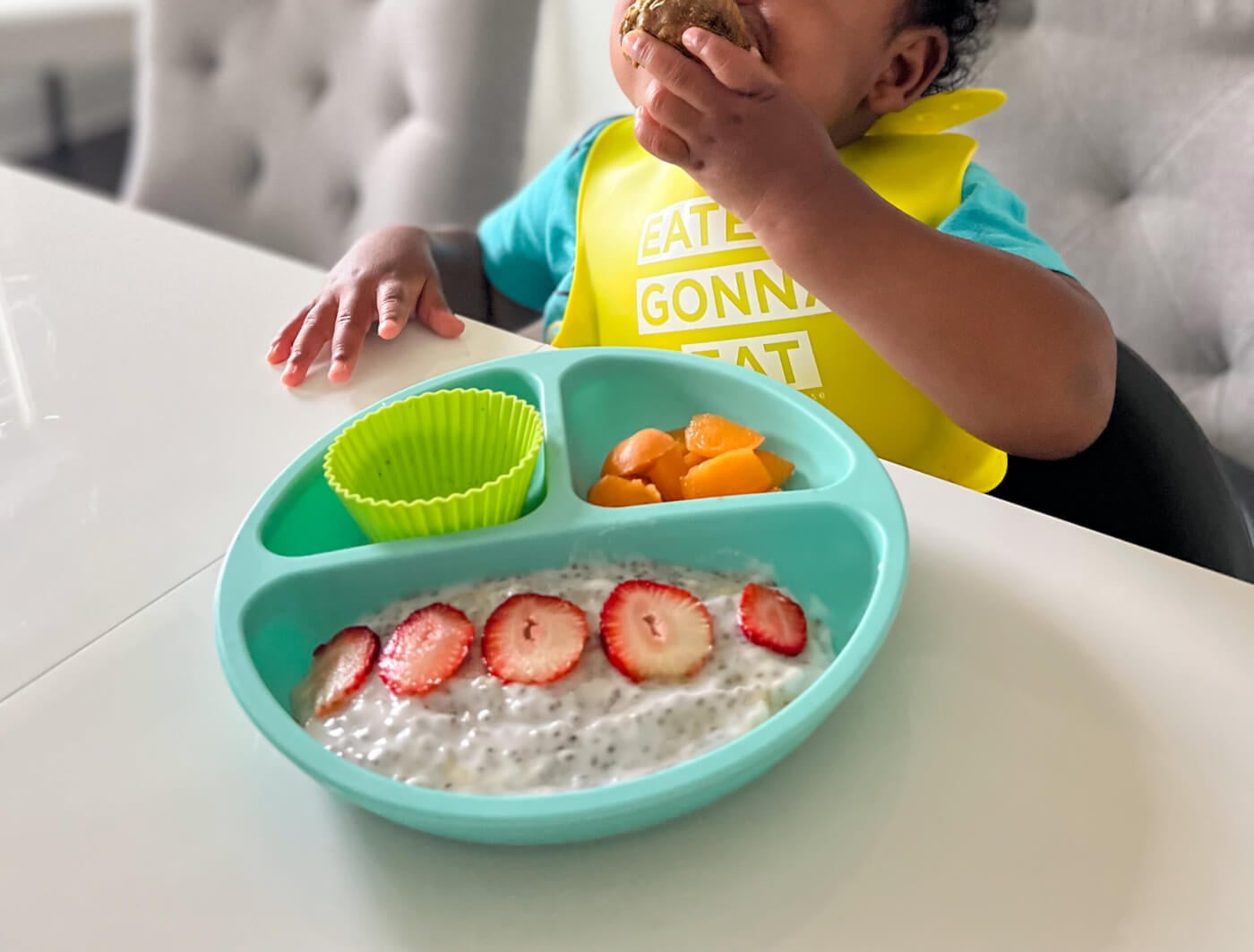
We practice baby-led weaning, which means offering our baby safe, appropriately sized pieces of food to self-feed instead of relying solely on purees. It’s been an incredible way to encourage independence, motor skills, and a love of fresh, whole foods from the start.
Some of our favorite vegan baby-led weaning foods:
- Soft, steamed broccoli florets
- Ripe avocado slices
- Roasted sweet potato wedges
- Small pieces of soft tofu or tempeh
- Chia pudding (made with breast milk or fortified plant milk)
- Cooked lentils or split peas mashed lightly
Safety always comes first: we make sure foods are soft, easy to gum, and cut into sizes that reduce choking risks.
Vegan Parenting Beyond the Plate: Diapers, Clothing & Compassionate Living
Raising a vegan baby goes beyond the kitchen! We also think about the everyday products we use—like diapers, clothing, and skincare.
- Diapers: Many conventional diaper brands use animal-tested materials or non-vegan adhesives. We opt for cruelty-free, vegan diaper brands that are transparent about their ingredients and ethics.
- Clothing and Toys: We avoid wool, leather, and silk, choosing organic cotton, bamboo, and recycled fabrics whenever possible. We also do a lot of thrifting and gratefully accept hand-me-downs from friends—it’s sustainable, budget-friendly, and gives loved items new life.
- Bath and Skincare Products: Vegan, cruelty-free shampoos, lotions, and wipes ensure that even bath time is compassionate.
Preparing for Daycare and School with Vegan Meals
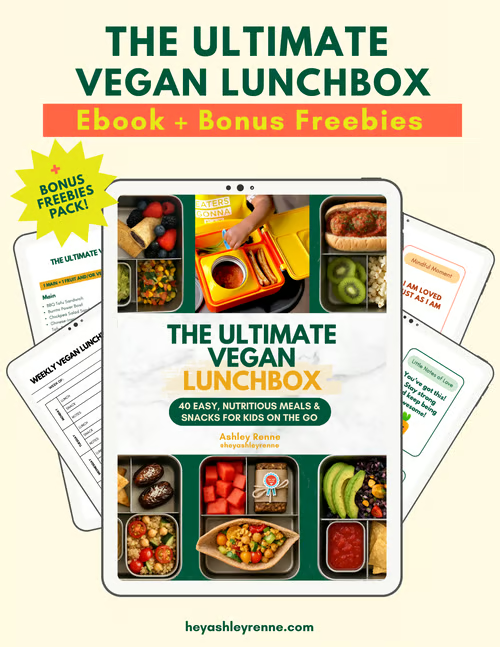
As babies grow into toddlers and head off to daycare or preschool, one of the biggest transitions is making sure they stay well-fed while away from home. That’s exactly why I created The Ultimate Vegan Lunchbox—an e-book filled with 40 kid-approved, nutrient-packed recipes and lunch ideas that make vegan parenting easier during the school years.
Here are a few small strategies we use from the book that make a big difference:
- Colorful Variety: Kids eat with their eyes first! I like to include a rainbow of foods in every lunch to keep it visually exciting.
- Snack Combos: Pairing whole-grain crackers with hummus or fruit with seed butter helps balance carbs with protein and healthy fats.
- Dip Everything: If your child is a dip-lover like mine, sauces can make all the difference.
- Lunchbox Routines: Prepping components like roasted veggies, tofu bites, or chia pudding in advance makes packing stress-free.
These tips (and many more!) are all in The Ultimate Vegan Lunchbox—a practical guide and cookbook for busy parents who want to nourish their little ones with ease, especially during the transition to daycare and school.
Final Thoughts
Choosing to raise your baby vegan is a beautiful gift you’re giving—to your child, to the animals, and to the planet. With a little planning and lots of love, you’ll be nurturing a healthy, happy little human who will grow up knowing the value of compassion, health, and mindful living.
Resources like The Vegan Baby Cookbook and Guide and The Ultimate Vegan Lunchbox were created to support you at every stage—from first bites to packed lunches—and I’m so honored to be part of your journey.
****
This article was written by Ashley Renne, a vegan mom, sustainability advocate, and content creator focused on mindful parenting and plant-based living. She’s the author of The Vegan Baby Cookbook and Guide and The Ultimate Vegan Lunchbox, two resources designed to empower families with the tools to raise healthy, compassionate kids. Follow her journey at heyashleyrenne.com
More parenting resources:

Under 13? Ask your parents bee-fore you continue!